

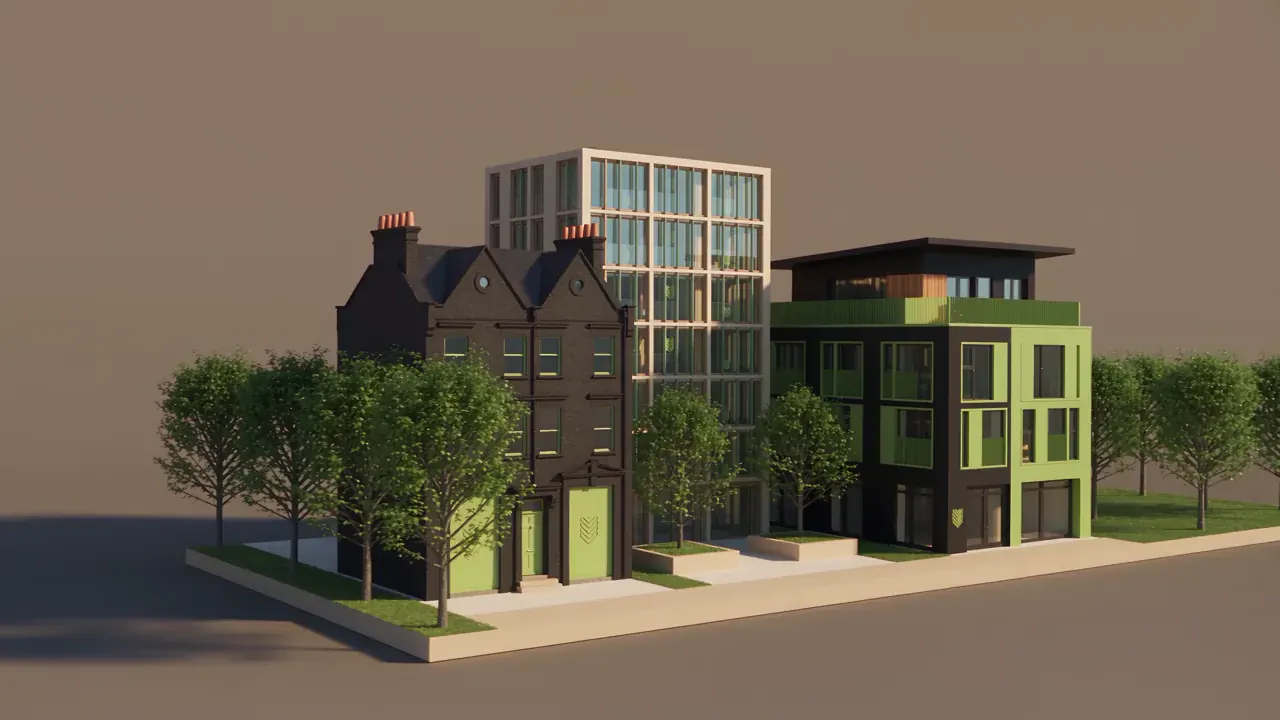
A single property or a growing portfolio
Tell us about residential lets, commercial premises, mixed-use buildings and any unoccupied properties. Tenancy, occupancy, construction and previous claims affect which insurers can consider your risk.
Letting one house, a flat or a portfolio? Talk to an independent landlord insurance broker about the buildings you own, your rental income and your responsibilities to tenants. We work across England, Scotland, Wales and Northern Ireland.
How is the property used and who insures the building? Start with the situation that fits your ownership.
For a house or flat let to tenants, tell us the tenancy type, how it is occupied and whether you supply furniture. If a freeholder already arranges buildings cover, tell us what you still need to insure.
Shops, offices, warehouses and mixed-use premises each have different lease and occupancy details. Explore commercial property owners insurance.
If you let homes at several addresses, send a list showing the rent, use and rebuilding value of each. We can ask insurers about a single renewal and explain when an individual property needs separate terms.
For one building split into flats, start with who arranges the insurance and what the common parts include. Review buildings insurance for a block of flats.
For a house in multiple occupation, describe the number of occupants, the tenancy arrangements and any applicable licence. Mention shared kitchens, entrances and fire-safety measures.
Tell us when the building became empty, how often it is inspected and about any proposed works. We can check conditions, restrictions and when the insurer needs to hear about a change.
Ask which causes of damage are insured and whether the declared rebuilding cost includes debris removal and professional fees. Check significant excesses, including flood, subsidence and escape of water.
Check when rent is payable after insured damage and the maximum time the policy will pay. Consider how long repairs, permissions and finding new tenants could take.
Discuss the liability limit for injury or damage arising from ownership of the premises and the responsibilities set out in any lease.
Ask which tenancy disputes and legal costs the insurer will consider, what prior approval is required and which exclusions apply.
Missed rent from tenant default is a separate risk from rent lost after building damage. If you need rent guarantee cover, ask about eligibility, referencing, waiting periods and limits.
A renewal gives you a chance to check what has changed at the property and how a claim would be handled.
Set out which properties are let, which stand empty, when tenants changed and whether you have acquired another building since the last renewal.
Compare rent protection periods, liability limits, major excesses and endorsements side by side with the premium. Record any difference important to you.
If several properties renew on different dates, give us the current dates and terms for each address. We can discuss options before any existing arrangement changes.
Keep the policy number and the insurer’s reporting instructions handy. Contact the broker or insurer promptly when damage occurs and retain photos and invoices where it is safe to do so.
Tell us what you let and when you want the cover to start or renew. You can enquire without uploading a document.
Request a Quote →For a single let, start with the address and type of tenancy. For several properties, share an address-by-address schedule. We can compare a portfolio arrangement with separate policies and discuss any properties that need different terms.
Tell us about residential lets, commercial premises, mixed-use buildings and any unoccupied properties. Tenancy, occupancy, construction and previous claims affect which insurers can consider your risk.
We can discuss buildings insurance, property owners’ liability and, where available, loss of rent and other extensions. The actual protection depends on the policy wording, selected limits, excesses and conditions.
A cheaper figure is only one part of the decision. We look at the property, the cover you need and the terms behind a quotation. Share what you already have; we will help clarify the remaining details.
| We review | What to send | Why it matters |
|---|---|---|
| Property & tenancy | Addresses, construction, use, tenancy and any vacant units. | A let home, HMO, commercial unit and mixed-use building can need different underwriting. |
| Rebuilding value | Your declared rebuilding sums and any valuation, with its date. | The sale price does not establish the cost of reinstating the building. |
| Rental income | Annual rent and the period of protection you want to discuss. | Loss-of-rent cover, its trigger and the agreed period depend on the policy. |
| Excesses & conditions | The existing wording, endorsements and any significant excesses. | Compare the obligations and what you would pay towards a claim alongside the premium. |
| Claims & changes | Claims information and changes to works, occupancy or use. | Give insurers the information they request to assess the risk and any changes. |
An ordinary home policy may not suit a let property. Tell us about the actual tenants, occupancy and use, so we can discuss appropriate landlord or property owners insurance with suitable markets.
Rebuilding cost and market value are different. Share your current reinstatement figure and any valuation; do not substitute a sale price for a rebuilding assessment. A suitable professional valuation may be needed for unusual, listed or commercial property.
Yes. Send an address-by-address schedule showing each property’s use, occupancy, sums insured and rent. We can discuss a portfolio arrangement or separate policies, depending on the individual risks and insurer acceptance.
We compare the selected cover, sums insured, limits, excesses, conditions, fees and taxes. We can ask insurers about reductions, while explaining any differences between proposals. A price match or saving is not guaranteed.
Further reading: ABI guidance on rebuilding costs and commercial property insurance. Your policy wording, accepted risk details and insurer’s terms determine the actual cover.
Cover is subject to the insurer’s acceptance, policy wording, limits, exclusions, conditions and excesses. A request or document upload does not put insurance in force.
Share your renewal or tell us what you need.